 A couple a months ago, Adrian Smith and I were asked to put together an article for the third edition of AgileTODAY to complement a workshop we plan to run at Agile Australia 2012. Adrian and I had a whiteboard session, and we put together these 8 tips which will hopefully help aspiring Agile coaches.
Introduction
The Agile coach is a critical role in helping leaders, teams and individuals understand, adopt and improve Agile methods and practice. For new and aspiring coaches, starting a coaching engagement can be daunting. It is easy to become distracted from the original mandate and get embroiled in the issues and politics of the team. The following tips were put together to help Agile coaches stay focused and achieve successful outcomes.

Before beginning an engagement with a team try to define success in terms of measurable outcomes and a realistic timescale. Share the outcomes with the team and sponsor to ensure there is a shared understanding of what you are trying to achieve. This will help clarify your role within the team and can help reduce any fears the team may have about the coming changes. Setting a clear end date will also ensure that both you and the team are clear that the team have to own and understand their way of working.

Showing the team how it is done the first time then supporting them as they take ownership of the new way of working is a great way to bootstrap new practices and build trust in new practices. Role model behaviours you want to see in the team. If there are techniques or technologies you cannot model yourself, you may need to mentor an enthusiastic team member or bring in an expert.

There is always a temptation to get involved and help with the team’s delivery work – especially when you see them struggling. While this may offer some short term help and can be useful as a learning exercise, it is unlikely to help in the long term. Becoming part of the team will also make it difficult to have tough conversations with team members, call-out unproductive behaviours and stay focused on your coaching objectives. Try to stand back, your role is to support the team and let them take credit for their success.

The team has probably faced a majority of the issues long before you got involved. If they are to own the solution after you have gone, it is important to have them involved in the decision making process. Remember you are trying to help the team learn to work without your help. This sometimes means you have to let them make a decision that goes against your best judgement. Teams need to learn by their mistakes (and sometimes their idea works out which means you can learn something too).

People can adapt to change more easily when it happens slowly and they see how it aligns to an overall plan. Additionally, change becomes natural when you are able to create a safe learning environment for the team that encourages experimentation. Try to change the practices that are causing problems first replacing them with simple alternatives. If you take away all the old practices that a team depended upon they can lose their way and not see the dysfunctions for themselves.

Asking questions is a fundamental skill for an Agile coach and can be used to drill down to the root cause of problems a team is facing. Don’t be afraid to ask “why” a couple of times to get to the facts behind a problem or to introduce the elephant in the room. As a coach you are in the privileged position of being able to raise sensitive issues and to legitimise discussion of difficult issues.

Helping the team identify what is important (especially from a customer’s perspective), making it visible and updating it regularly will focus a team. Example metrics include: throughput, cycle time, delivered value and many others. The corollary to this suggestion is that you need to be careful what you measure because you can incentivise behaviour that has the potential to be counter-productive.

Although the Agile journey is important, Agile perfection is not the end goal. What does matter is delivering what your stakeholders want in a sustainable way. For this reason it is important to use Agile maturity assessments and other metrics with care. Helping a team become agile should focus on instilling Agile values and principles, while selecting and adapting Agile practices to help the team deliver.
Summary
Becoming an Agile coach requires a deep understanding of Agile, the confidence to drive change and a willingness for self-reflection. The role of an Agile coach is a rewarding one that allow you to use a wide range of skills across technical, social, business and communication disciplines.
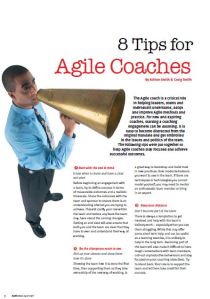

If you are interested in reading AgileTODAY, you can subscribe to the print copy or access the past issues online.
This article is also available on Adrian’s blog.
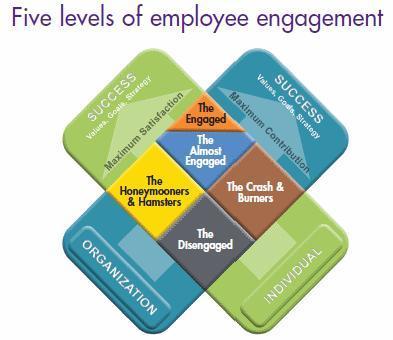 I came across the ‘X’ Model of Engagement video today from BlessingWhite, which is well worth the 7 minute investment.











 Craig Smith
You must be logged in to post a comment.