Innovate Australia is an event that brings together government in Canberra and showcases innovation that is happening between government and industry and this year it was held on May 29 alongside the Australian Cyber Security Showcase.
Innovate Australia is an event that brings together government in Canberra and showcases innovation that is happening between government and industry and this year it was held on May 29 alongside the Australian Cyber Security Showcase.
SoftEd / Skills Development Group had a presence as a partner and a stand in the partner area.
My colleague Andy Cooper run a thought experiment ahead of the conference: using AI to review the content of the conference.
Main themes from the Innovate Australia Conference:
Emerging technologies and innovation, including AI, cyber, and quantum technologies, and their progression within the APS.
Digital transformation and simplicity, focusing on designing smart, simple, and connected services to meet citizen expectations.
Workforce strategy and skills, addressing the skills gap, predicting demand, retaining talent, and developing an agile and collaborative workforce.
Data strategy and analytics, including generating and executing progressive data strategies and uplifting capabilities across organizations.
Customer experience (CX) and user-centricity, leveraging AI and automation to enhance personalization and streamline services.
Privacy, trust, and regulation, addressing emerging gaps in existing laws and safeguards to protect the public.
The conference had a number of great sessions and insights into what is currently happening in Canberra and the public sector. Here are some notes and highlights from the sessions I attended.
ChatGPT Summary: The 2023 Global Government Innovators report highlights key innovators in the public sector from around the world. Here are the key points:
Foreword:
The report celebrates innovation in public services, spotlighting over 50 individuals committed to citizen-centricity and transformative leadership.
It aims to foster collaboration by connecting innovative thinkers across the public sector through Public Sector Network’s platform and events.
Introduction:
Global trust in government is declining due to misinformation, economic and security concerns, and COVID-19 aftereffects.
The report emphasizes the importance of rebuilding public trust through effective, accessible, and inclusive services.
Key Innovators and Projects:
Fawad Abro (Australia): Led a large data transformation program at the Australian Taxation Office, emphasizing the importance of leadership culture and people’s capabilities.
Rod Apostol (Australia): Transformed the Victorian Ombudsman into a data-led organization to improve decision-making and service delivery.
Amrita Bhattacharyya (Australia): Played a pivotal role in the COVID-19 response in Victoria, focusing on data and analytics for testing and vaccination.
Kurt Brissett (Australia): Introduced contactless transport payment systems in NSW, significantly improving customer experience.
Eloise Burge (Australia): Led the South Australian government’s One Stop Shop initiative to simplify and improve access to government services.
Simon Cleverley (Australia): Advanced digital health capabilities to improve healthcare outcomes and service delivery across Australia.
Global Perspectives:
Trust: Innovators emphasize the critical role of trust in government, advocating for transparency, accountability, and citizen engagement to rebuild trust.
Culture: The importance of a positive organizational culture is highlighted, with leaders encouraging continuous improvement and recognizing employee contributions.
Conclusion:
The report aims to inspire public sector professionals to embrace innovation, prioritize citizen needs, and work collaboratively to overcome challenges and improve public trust.
These highlights capture the essence of the report, showcasing the dedication and impact of public sector innovators in enhancing government services and rebuilding trust with citizens.
Need for ethical AI leadership
40% of Australians have used AI in last 12 months
55% support government using AI extensively
92% want struct government regulation on AI systems
Digital ID
73% of Australians have a myGovID, 91% had a positive experience and 83% find it trustworthy
ChatGPT Summary: The 2023 Digital Citizen Report highlights the evolving landscape of digital government services in Australia and the changing expectations of its citizens:
Increased Use of Digital Services:
More Australians are using digital government services, with MyGov, healthcare, and finance being the most popular.
Citizens want more digital services, particularly digital voting, mental health services, and digital driver’s licenses.
Digital Identities and Privacy:
Most Australians use digital IDs and wallets, but privacy risks hinder wider adoption.
There is significant concern over data privacy, with many citizens wary of providing personal information online.
Access and Inclusivity:
Minority groups and older Australians desire better access to digital government services.
There is a digital divide, particularly affecting rural and vulnerable populations.
Emerging Technologies:
Australians are enthusiastic about emerging technologies like AI, VR, XR, and Web 3.0 and want to be digitally equipped.
The government is leveraging these technologies to improve service delivery and economic prosperity.
Mental Health Services:
There is a growing uptake in digital mental health services, especially among younger generations and those in rural areas.
Mental health issues are on the rise, with a significant portion of the population seeking online support.
Economic and Social Impacts:
Digital literacy is seen as critical for employment, with many citizens recognizing the need for additional training and skills.
Technological advancements are both a perceived threat and an opportunity for job security.
Government Initiatives:
The Australian Government aims to be one of the top three digital governments by 2025, driven by an accelerated path of digital transformation.
Investments in digital infrastructure and inter-agency collaboration are key to expanding digital inclusion and trust.
Citizen Sentiment and Feedback:
Citizen feedback highlights the need for more personalized and user-friendly online experiences.
There is a strong demand for expanding digital services to support key life events, such as births, marriages, and new jobs.
Barriers to Digital Adoption:
Concerns over data privacy, digital literacy, and access to technology are significant barriers to wider digital adoption.
Addressing these barriers is crucial for improving citizen trust and engagement with digital government services.
The report underscores the importance of continuing to evolve and improve digital government services to meet the growing and changing expectations of Australian citizens.
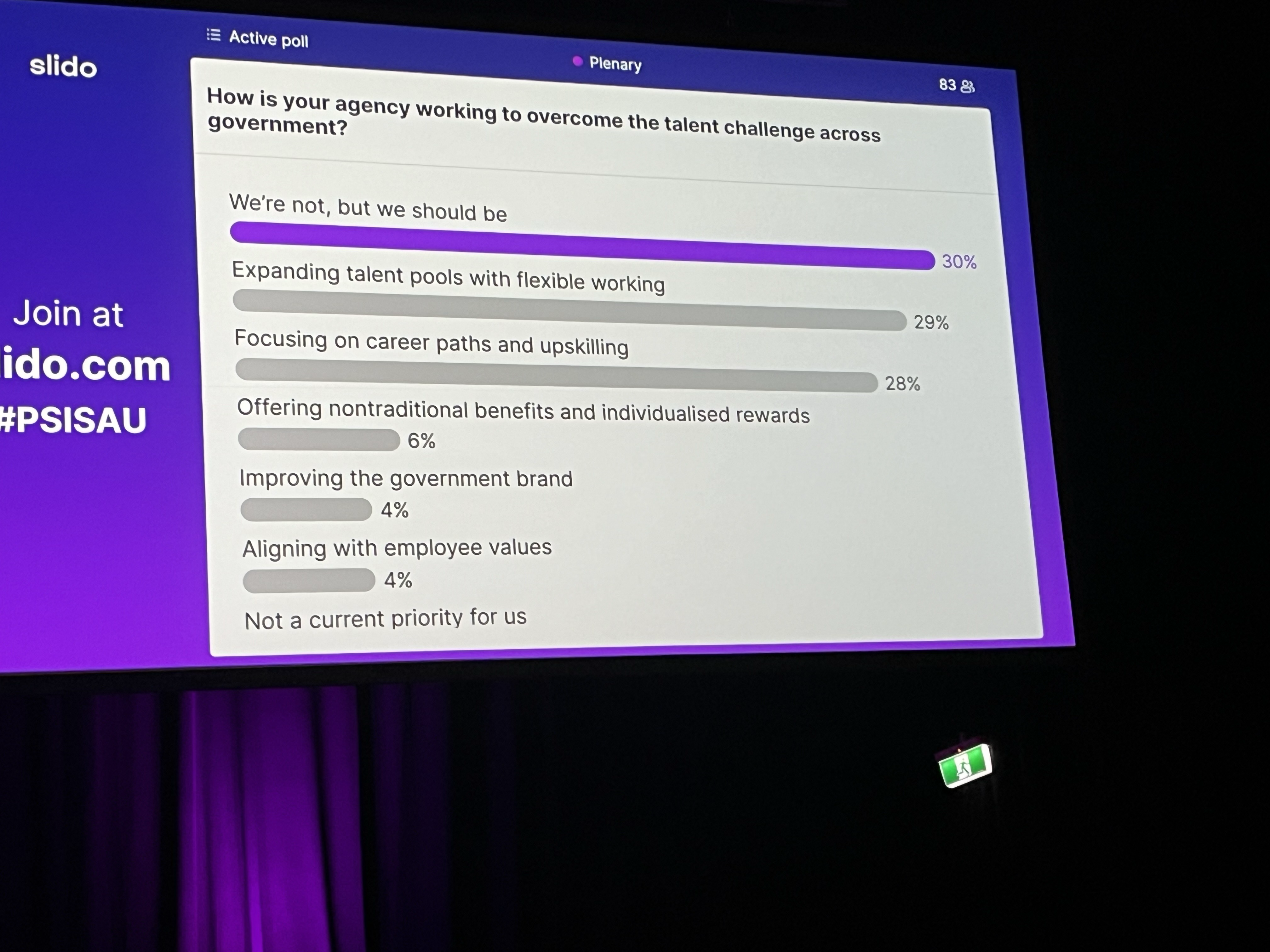
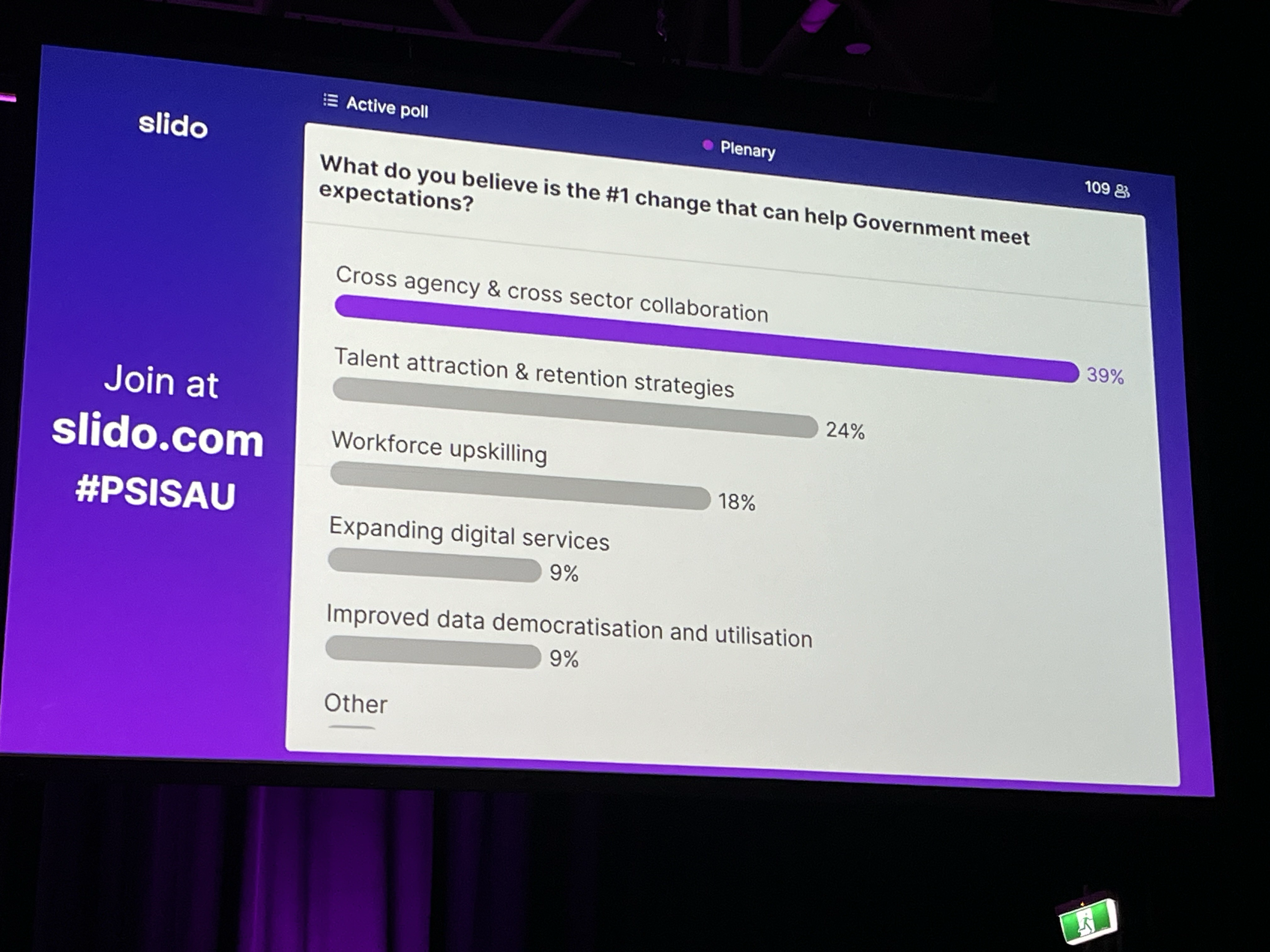
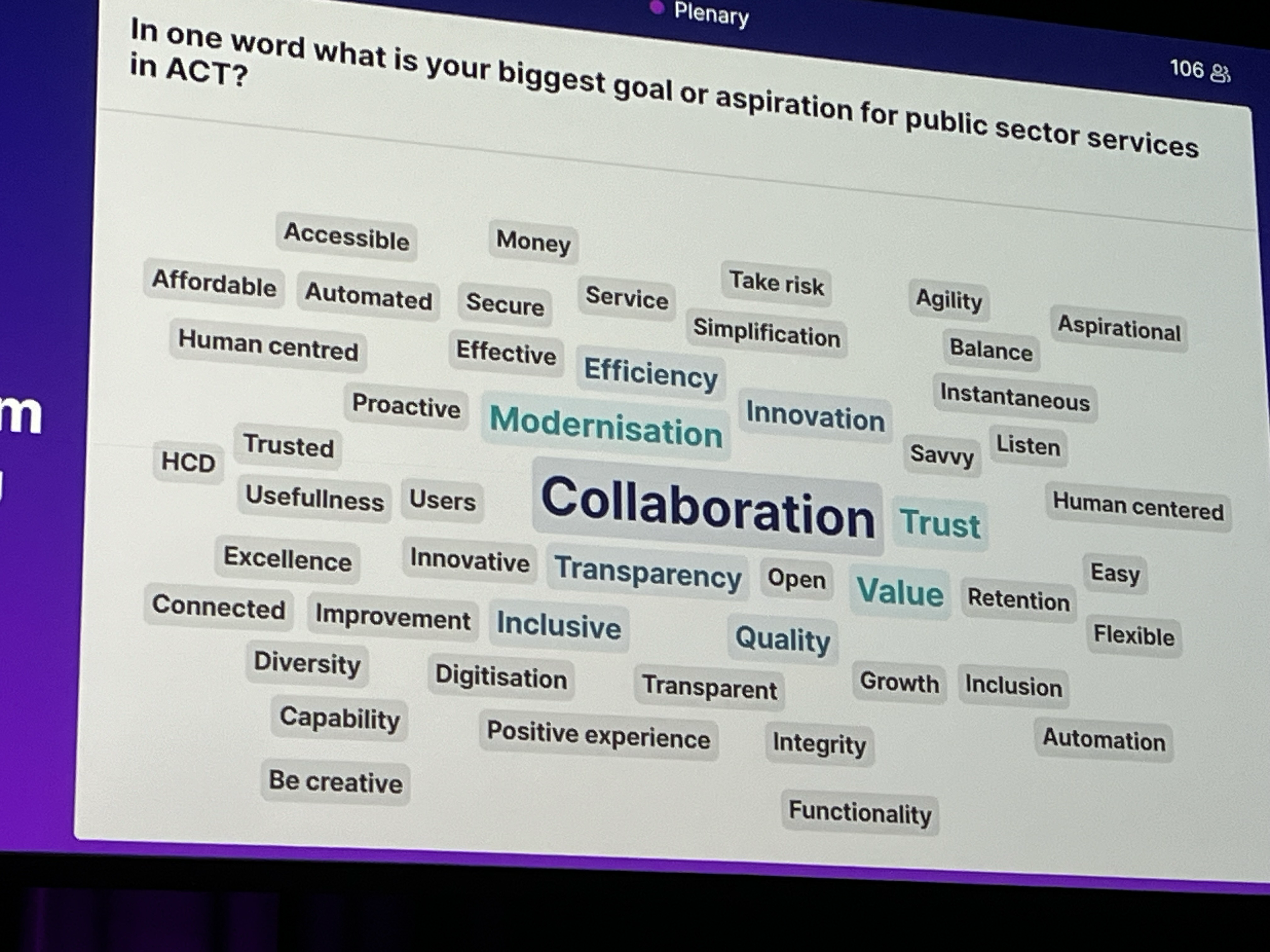
These were some polls of the audience at the start of the day:
Modern Service Delivery – David Hazelhurst – Services Australia
10 million interactions a week, 90% digital
15-20 million malicious attempts per week
Take down 360 fake myGov sites per week!
Observations after 5 months in the job
Extremely purpose driven organisation
Scale and leadership – some branch heads have 2,000 staff
Diverse and connected to their communities
Safety – up to 12 serious aggression reports per day
Modern Service Delivery
Simple, helpful and offering service, respectful and transparent
Need to help people get on with things
There is a digital divide so need choice
Being proactive – what else do people need
Efficient back of house – support and train staff, deliver a great experience
AI
Ambitious about technology and AI (despite Robodebt) as it allows us to spend times with more customers
Needs to be done in a way that builds trust – needs to be radically transparent
Establishing an ethics committee – understandable how the system works and a human in the system
Already experimenting with CoPilot in back of house
Using generative to AI to help with forms and how we explain what we do
Using AI to optimise the queues at National Operations Centre
Need an attitude of being humble and curious, bringing the outside in (those that have an interest, experience, consultation) and need to get out of Canberra and have a deep understanding of the business at the frontline
APS Priorities – Chris Fechner – DTA
New iteration of Digital Service Standard
Has brought focus to the customer rather than the service
Hyperpersonalisation so service delivery can be proactive – “creepy to cool” as things become more accepted
Industry + Government
ACS on skills, AIIA, Tech Council of Australia relationships around capability
Data, Cyber, Digital – need to build our sovereign capability
DTA has about 3,500 vendors, majority are SME
Need to grow indigenous businesses
Vision for Simple, Sophisticated and Trustworthy Public Service – APSC / Geoscience / DSS
Focus on the customer is a good basis to build trust
Emerging technologies – APSC undertakes long term insights briefings – legislation just passed
People who use services expect government to use AI, has to be used to improve service delivery
Has to be empathy when people need it (a human the loop)
Transparency is key on how and when you are using these technologies
Digital Atlas of Australia – Geoscience Australia – place based policy making, 175 trusted datasets curated across government, Google Maps on steroids, open and free to all citizens
Manage speed, privacy and trust
Start with people not the tech – how do we build that capability across the entire APS
ChatGPT Summary: The report “Embracing Modernization: From Technical Debt to Growth” by DXC Technology examines the challenges and strategies related to technical debt in organizations and how to address it through modernization. Here are the key points:
Understanding Technical Debt:
Technical debt (tech debt) is an implied cost of future refactoring due to using suboptimal solutions to meet immediate needs.
It is different from obsolescence or depreciation but can be highly disruptive and costly.
Survey Insights:
A survey of 750 executives revealed that nearly all acknowledge tech debt as a risk.
46% of IT executives report that tech debt significantly hinders digital transformation and growth.
Types of Organizational Debt:
Tech debt includes infrastructure, applications, UX, data, process, and knowledge debt.
Each type of debt contributes to the overall challenges in maintaining and modernizing IT systems.
Impact of Technical Debt:
Tech debt limits an organization’s ability to adapt, innovate, and pursue digital transformation.
Examples include system failures and inefficiencies in crisis situations, such as outdated airline scheduling apps and federal aviation systems.
Reframing Technical Debt:
The report advocates for viewing tech debt as part of the modernization process.
Modernization efforts should be continuous and involve the entire organization, not just IT.
Modernization Strategies:
Organizations should focus on understanding and addressing tech debt through modernization.
Key strategies include adopting Agile practices, enhancing flexibility, and improving governance and performance management.
Four-Step Plan to Address Tech Debt:
Reframe Tech Debt: Recognize it as a modernization issue and involve executive leadership.
Define Opportunities: Conduct an honest inventory of the tech estate and set clear objectives.
Clear Barriers: Focus on knowledge capture, adaptability, and stakeholder management.
Organize for Execution: Foster collaboration across departments and prioritize modernization efforts.
Industry-Specific Insights:
The report provides insights into how different industries, such as financial services, healthcare, and public sector, are addressing tech debt.
Common challenges include legal, regulatory, financial, and cultural barriers.
Desired Outcomes of Modernization:
Improved operating margins, increased revenue, and enhanced employee satisfaction are top priorities.
Modernization also aims to improve security, flexibility, and overall business agility.
Case Studies and Examples:
The report includes case studies from various industries to illustrate the impact of tech debt and the benefits of effective modernization.
Examples include the modernization of e-commerce systems for a retailer and cloud migration for a health insurer.
Overall, the report emphasizes the importance of recognizing and addressing tech debt through a comprehensive and collaborative approach to modernization, involving all levels of the organization and focusing on both short-term fixes and long-term strategic improvements.
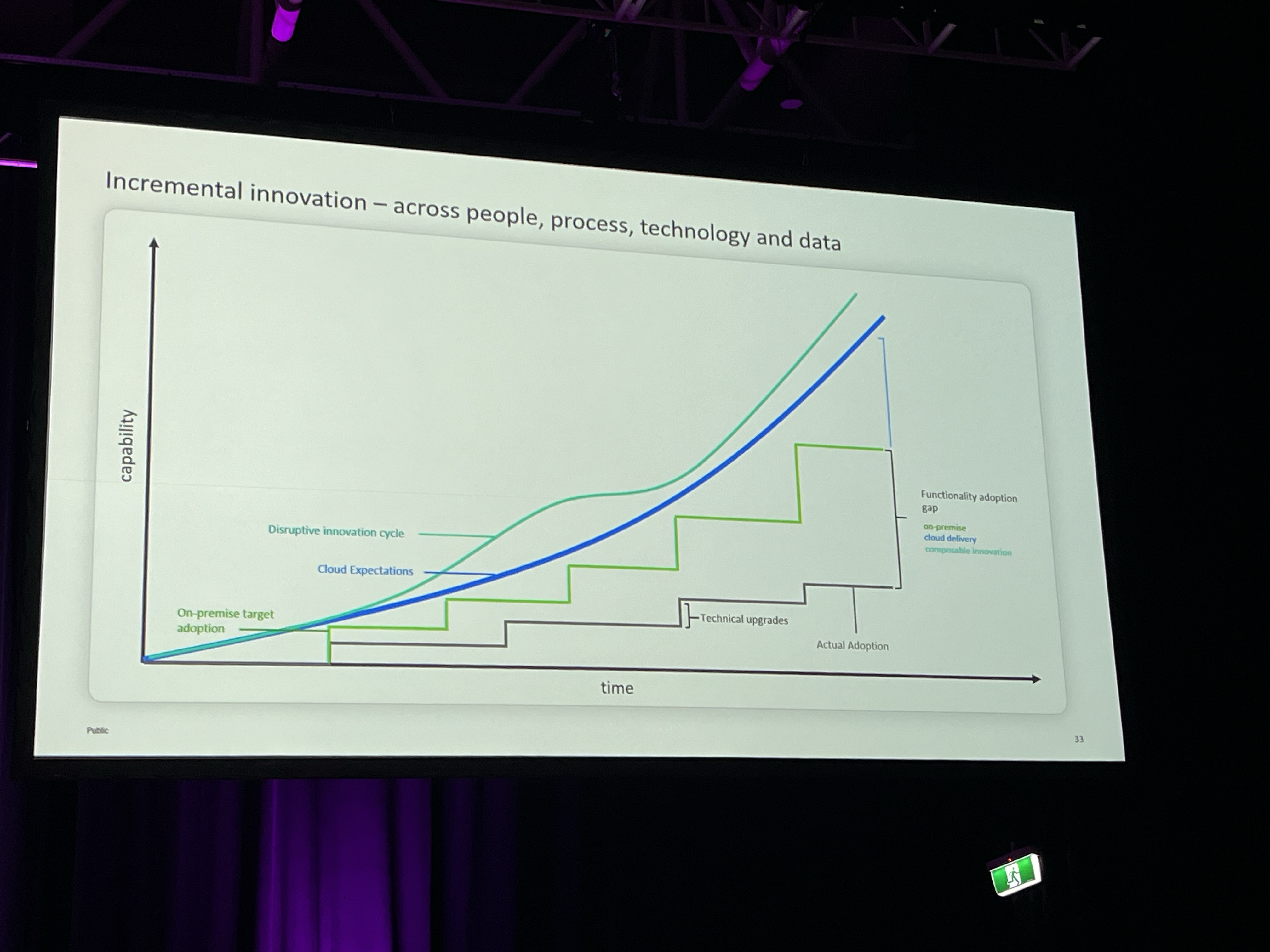
SAP believes SaaS sits at core of addressing technical debt while enabling incremental innovation – means maintenance is built in, as well as new capabilities
Question on moving to SaaS is when and how, not if
Next Phase of AI, Digital and Emerging Technologies – ANU / DITSR / Finance
Need to strike the right balance to get innovation, putting legislation in place for digital ID over last 12 months (but been in consultation for 8 years!)
Australia had the biggest divide on trust vs non-trust
ChatGPT summary: The “Trust in Artificial Intelligence: A Global Study” report includes specific insights about Australia regarding public trust and acceptance of AI. Here are the key points focused on Australia:
General Trust and Acceptance:
Australians have relatively low trust in AI, with only 34% willing to trust AI systems.
Acceptance of AI is similarly low, with just 20% of Australians reporting high acceptance of AI systems.
Emotional Responses:
Australians exhibit mixed emotions towards AI. While some feel optimistic and excited, a significant portion also feels worried and fearful.
Fear and worry about AI are dominant emotions in Australia, with many citizens expressing concern over the potential risks associated with AI technologies.
Perceived Benefits and Risks:
Australians recognize the potential benefits of AI, particularly in terms of improved efficiency, innovation, and effectiveness. However, they are less convinced that these benefits outweigh the risks.
The primary concerns for Australians include cybersecurity risks, privacy issues, job loss due to automation, system failure, and the potential for AI to be used manipulatively or harmfully.
Trustworthiness and Governance:
Australians expect high standards of data privacy, security, and ethical governance for AI systems. They emphasize the importance of transparency, accountability, and human oversight in AI deployment.
Trust in government and commercial organizations to responsibly develop, use, and govern AI is low. Australians are more confident in universities and research institutions.
Regulatory Expectations:
A strong majority of Australians (71%) believe AI should be regulated, with support for independent oversight to ensure ethical and responsible use of AI.
There is a perception that current regulations and safeguards are inadequate, leading to calls for stronger governance frameworks to protect against AI-related risks.
Generational and Educational Differences:
Younger Australians and those with a university education are generally more trusting and accepting of AI compared to older generations and those without a university degree.
Managers and professionals in Australia are also more likely to trust and accept AI, seeing it as a beneficial tool for enhancing efficiency and decision-making.
These insights highlight the cautious yet optimistic stance of Australians towards AI, with a clear demand for robust regulatory measures and ethical governance to build trust and ensure the safe and beneficial use of AI technologies.
CSIRO National AI Centre – AI adoption for industry and individuals, new TAFe courses in this area, designed to be accessible and meet people where they are at
Encouraging leaders at Finance to get their hands dirty with AI and digital – they need to understand it and starts overcoming barriers
ACS research coming out soon on how to support teachers to deliver the digital curriculum and setup students to be reading for changing workforce
Policies within government to keep us safe, but ask about technologies you want to play with and exercise your own agency to come up to speed
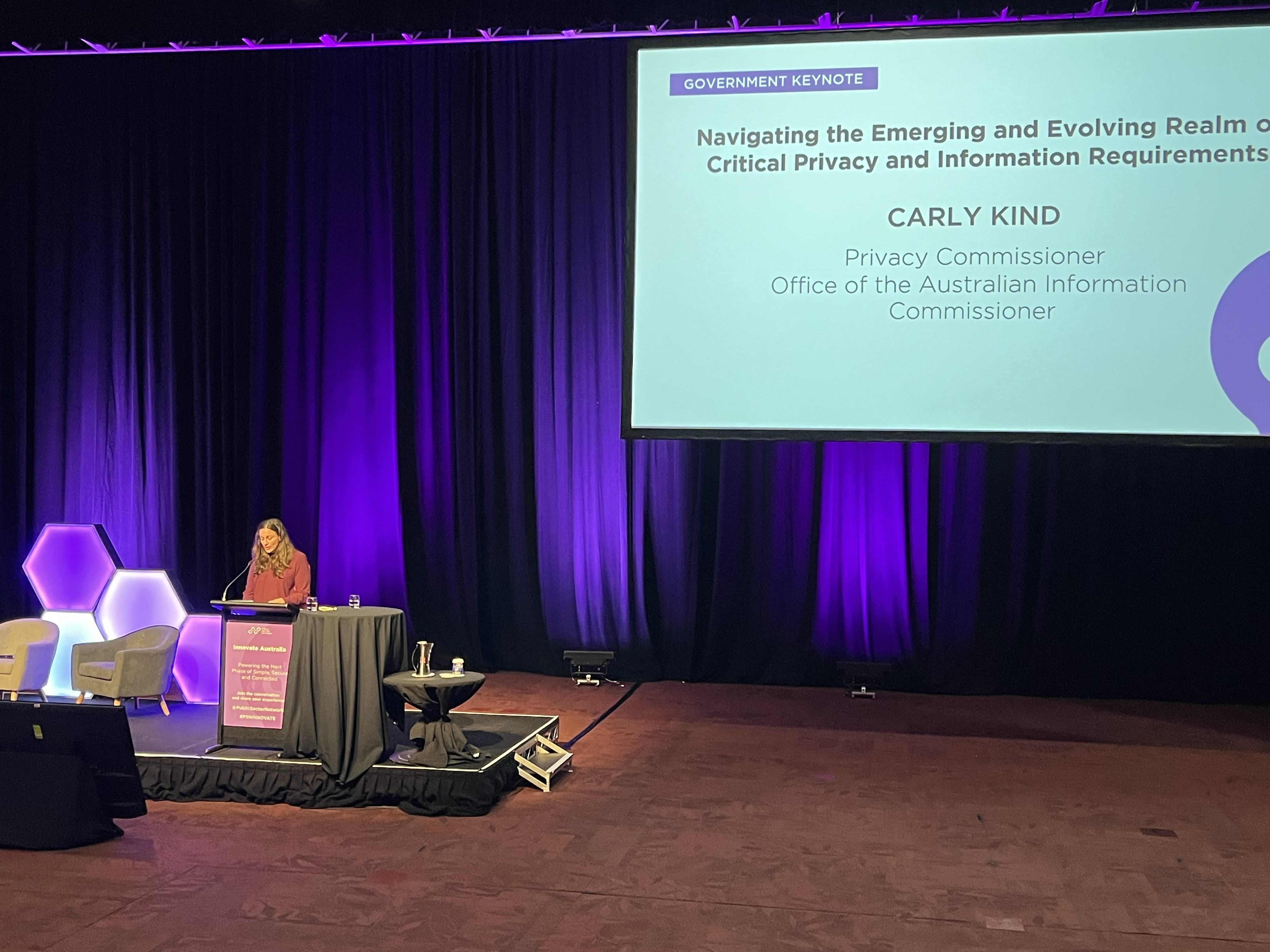
Privacy & Information Requirements – Carly Kind – Australian Information Commissioner
Innovation is just about new and novel, but for public good it needs to be about creating value and addressing public need
Employer of Choice – Catherine McLachlan – Home Affairs
Need to be less focussed on moulding new talent but asking what they can bring that is different
Workforce change needs to be iterative as 2-3 years new starters will have moved on to another role
Fear that if workforce strategy innovation does not work we will not be able to bring it back
Governance structures have been static for too long
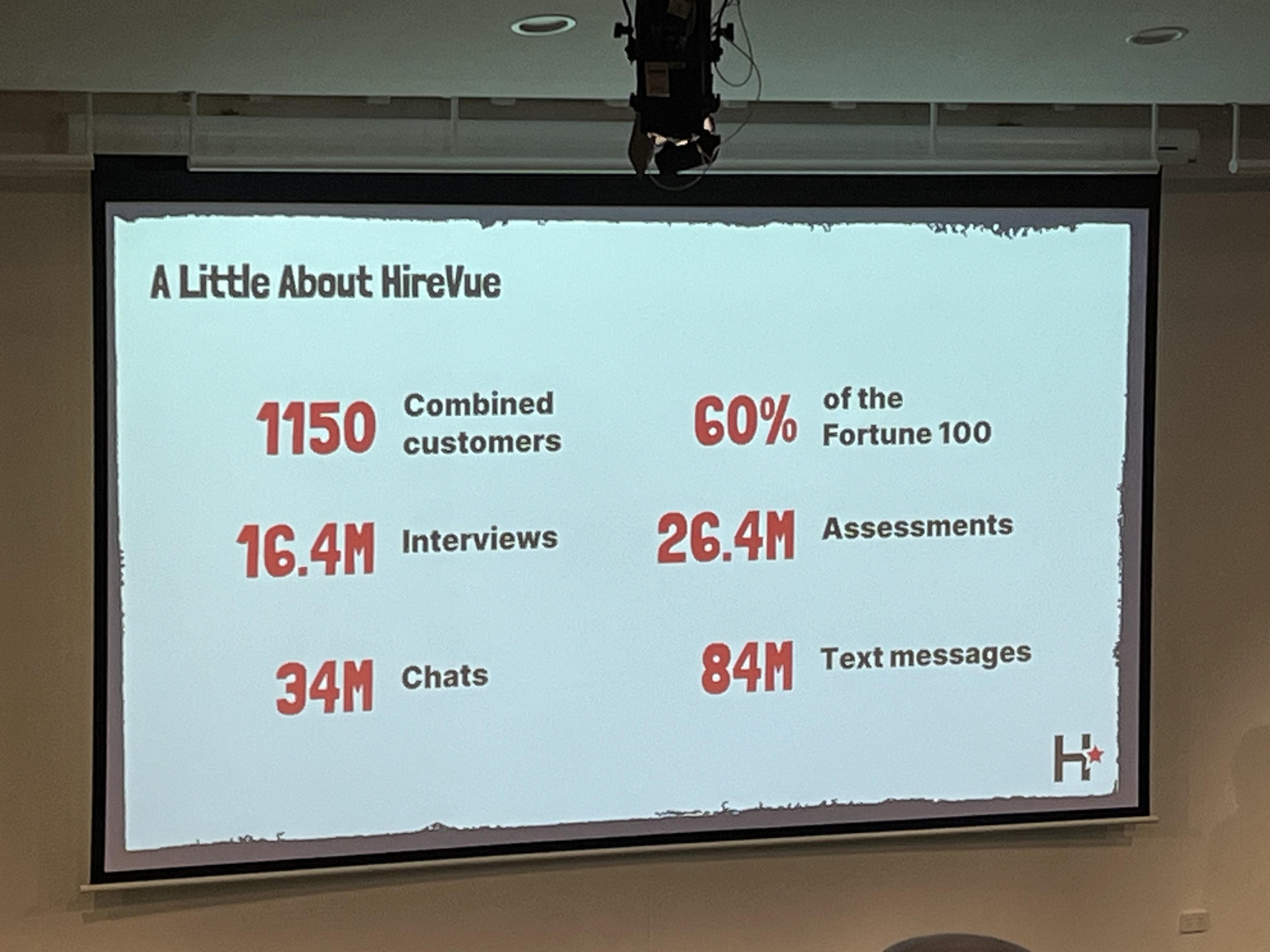
Public Sector Recruitment – Grant Meyer – HireVue
Work is changing and hiring is broken
Experienced employees are aging out of the workforce, pace of innovation means companies are falling behind
Leveraging Platforms to Support Business Demands – Australian Institute of Aboriginal and Torres Strait Islander Studies / Geoscience / AFSA / SAP
Want to find the friction points in organisations, simplify the process and use technology to scale
Dedicated Service Design team at AFSA – focussed on customer rather than technology, did not sit in technology or business
Co-design
Understanding needs of users and getting better data
Talk to other organisations, leverage other organisations RFI and tenders, collaboration and buy once, solve many
Need to get better at collaborating – how many service management products does federal government need?
There are cross CEO and AG forums but they are usually setup because of engaged people and mostly left to chance, need to get better at this
Navigating the Transformation Terrain – Australian Red Cross / AEC / National Transport / Fujitsu
AEC – 800 people organisation that scales to 120,000 at election time
If you are looking for an easy role, transformation is not the answer
Cultural change needs to come to the top and need to be focussed on one thing – Seek example – do senior leaders walk the talk
Red Cross under a massive transformation program – need to continue to go back to purpose and people will find other ways to give, people want to keep doing all the things and often we need to help them to stop
Need to invest in change readiness and change management throughout – focus on the people and don’t burn them out throughout
Need to look for capabilities not qualifications
Need to pace yourself and marathon not sprint – once you transform, you need to implement, then improve
The big bang is failing – need greater transparency of our projects
Takeaways
Agile is still alive and well, they are just not using the name because it has become the preferred approach
Lots of transformations occurring across government and industry (eg. Red Cross)
Lots of interest in AI, Cybersecurity and ITIL,
Ethics and transparency are also key issues for government
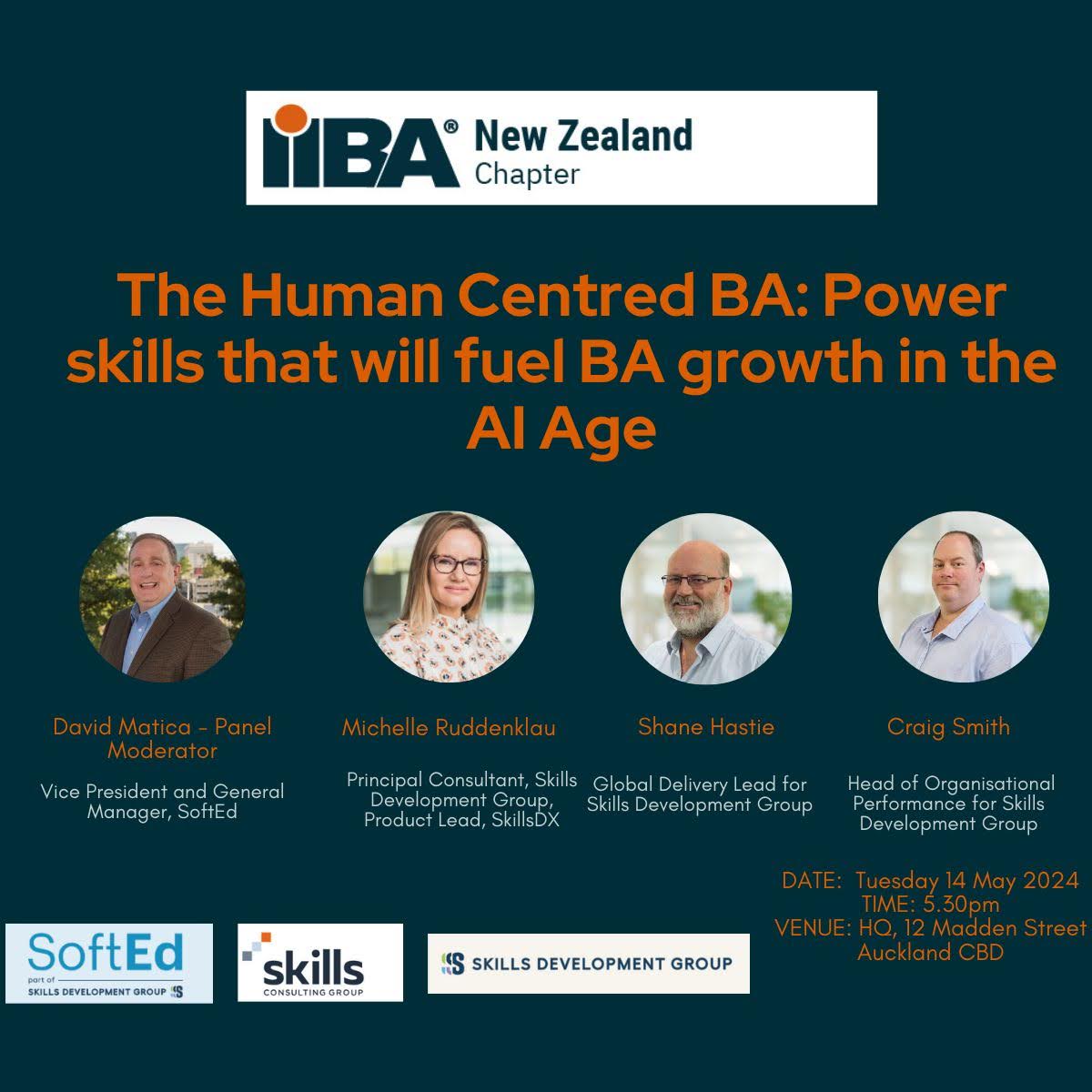
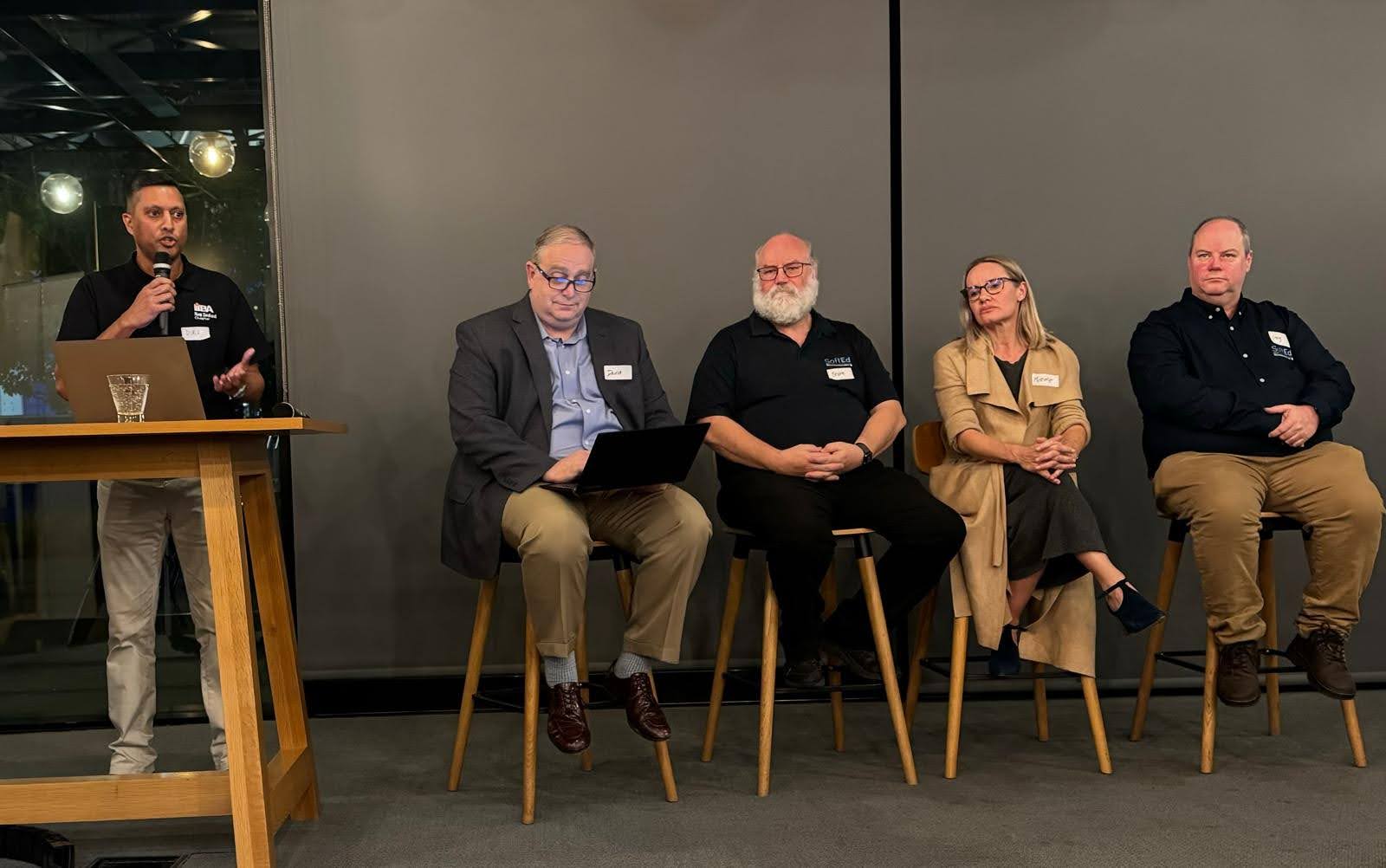
A Human Centered BA must possess the skills to connect with, influence and inspire the knowledge workers they engage. They will need to understand both the customer experience (CX) and employee experience (EX) to find the answers to the complex adaptive challenges organisations face. The BA is in a unique position to take the lead to provide solutions and help companies THRIVE in change but their BA need skills that go above and beyond!
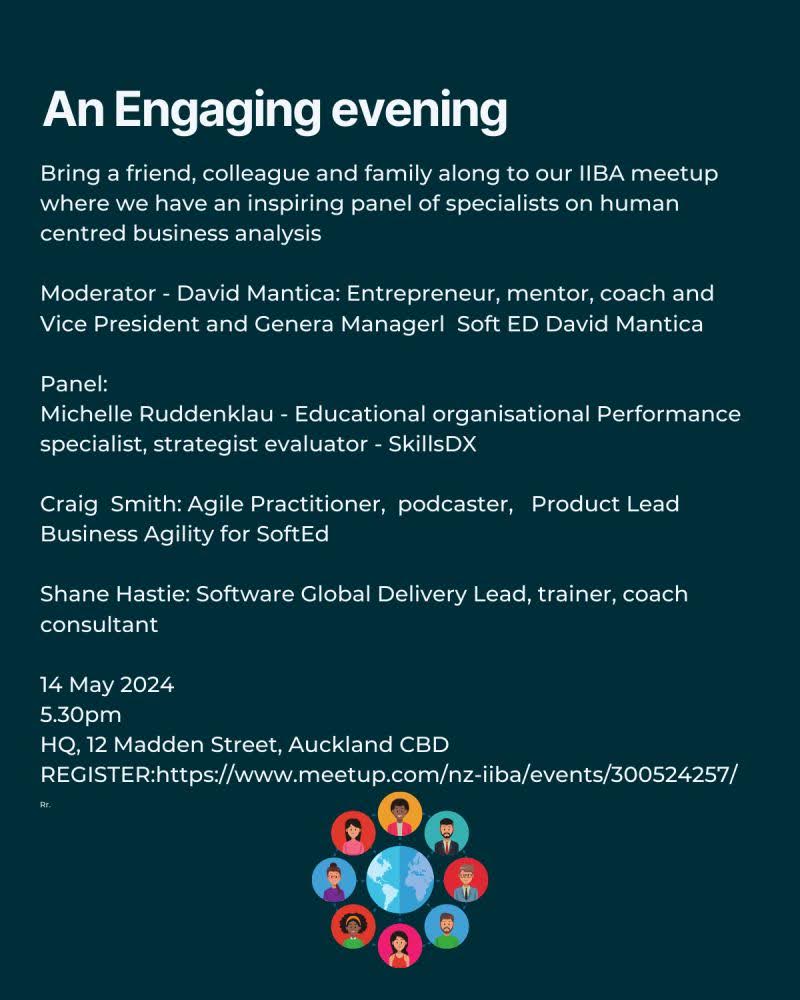
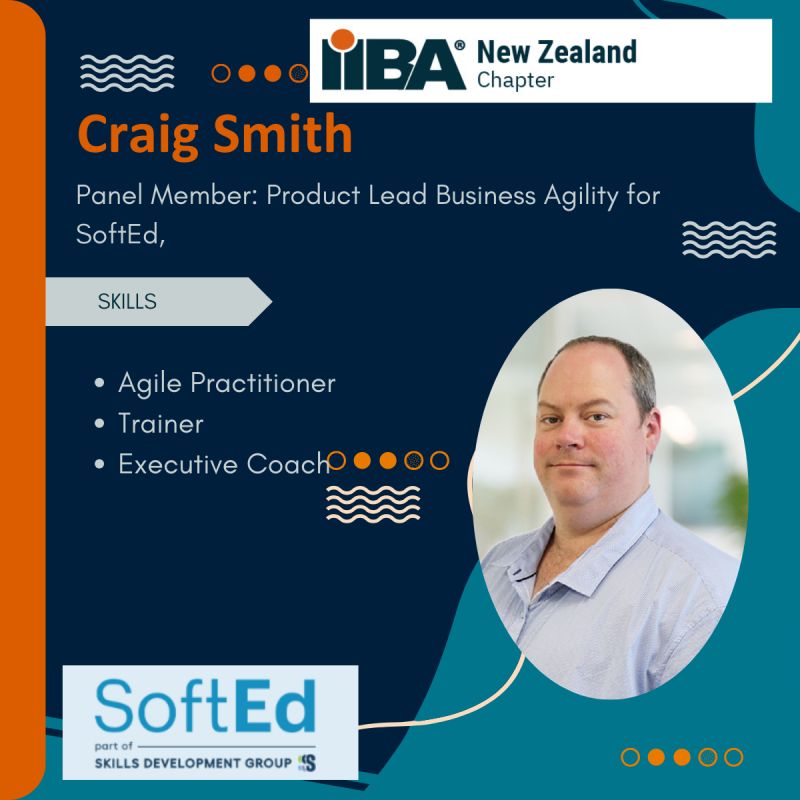
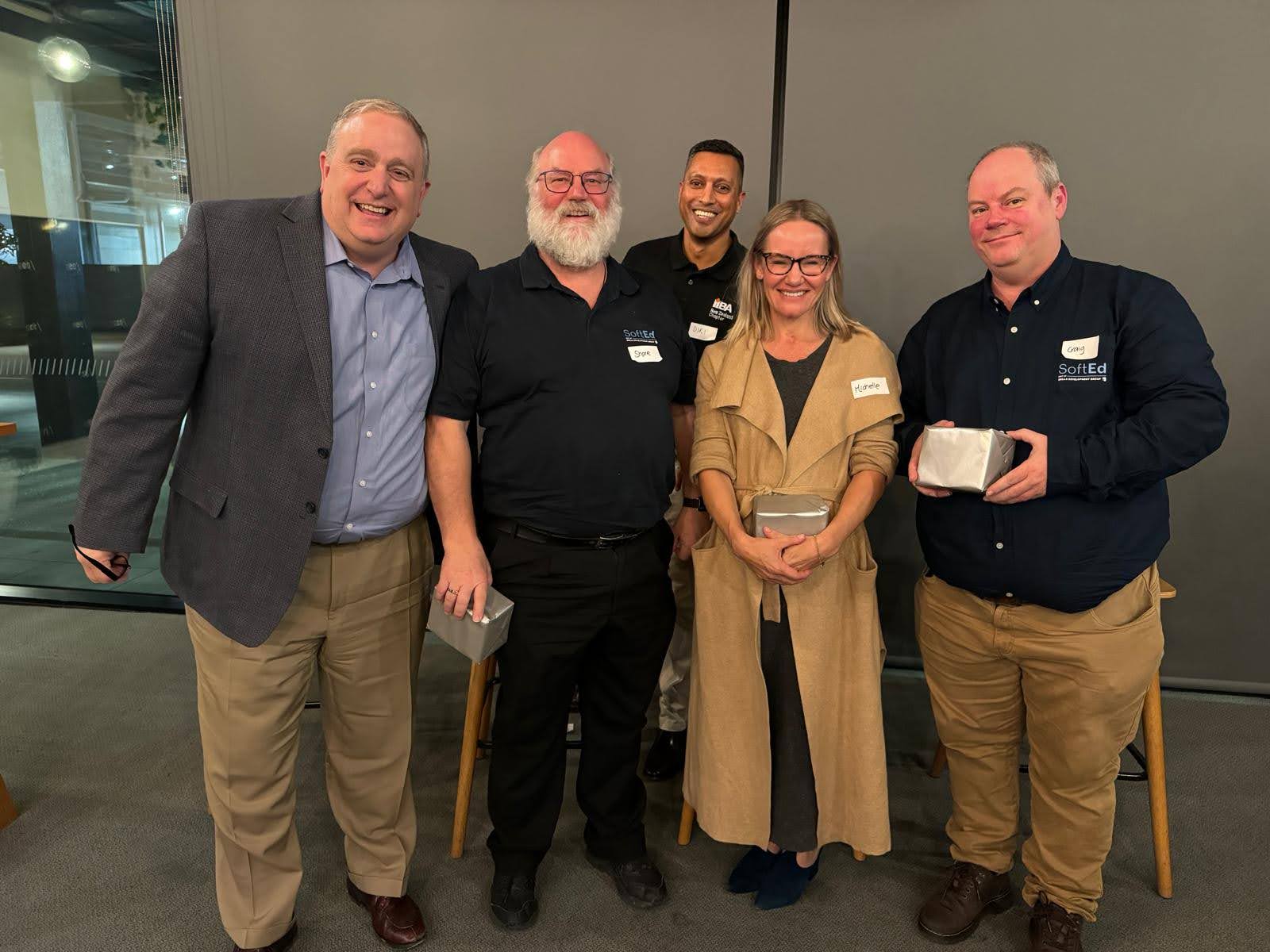
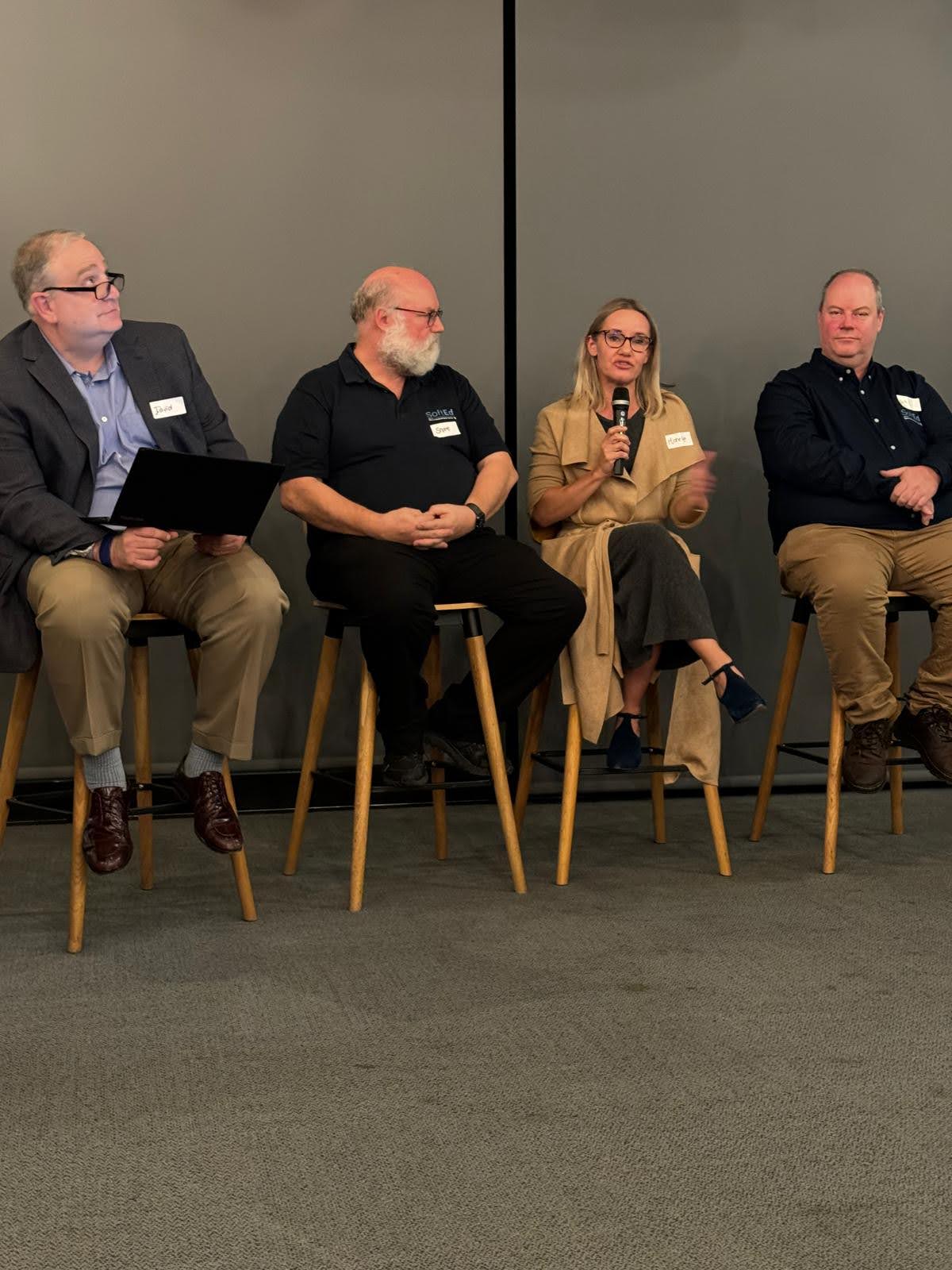
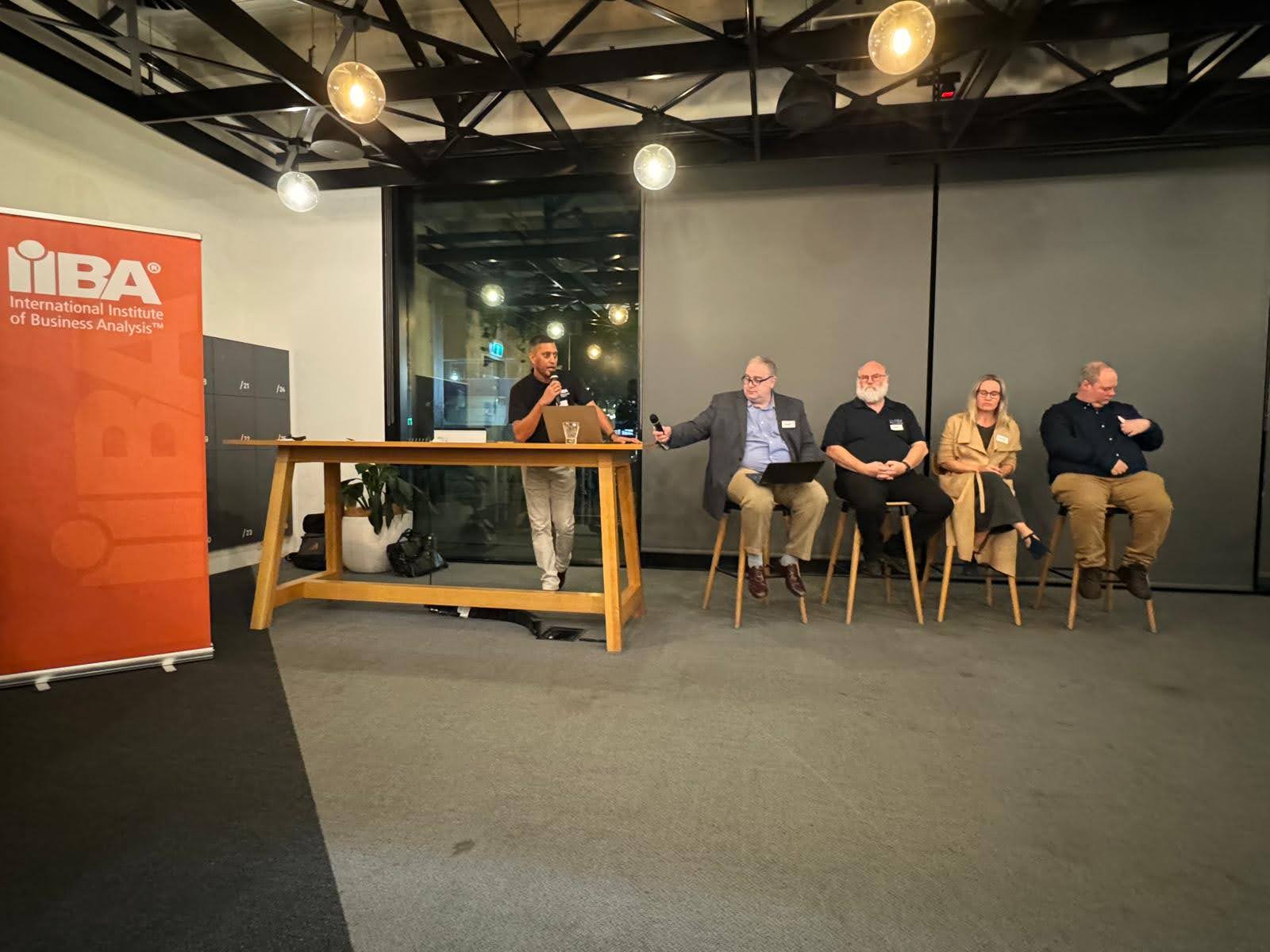
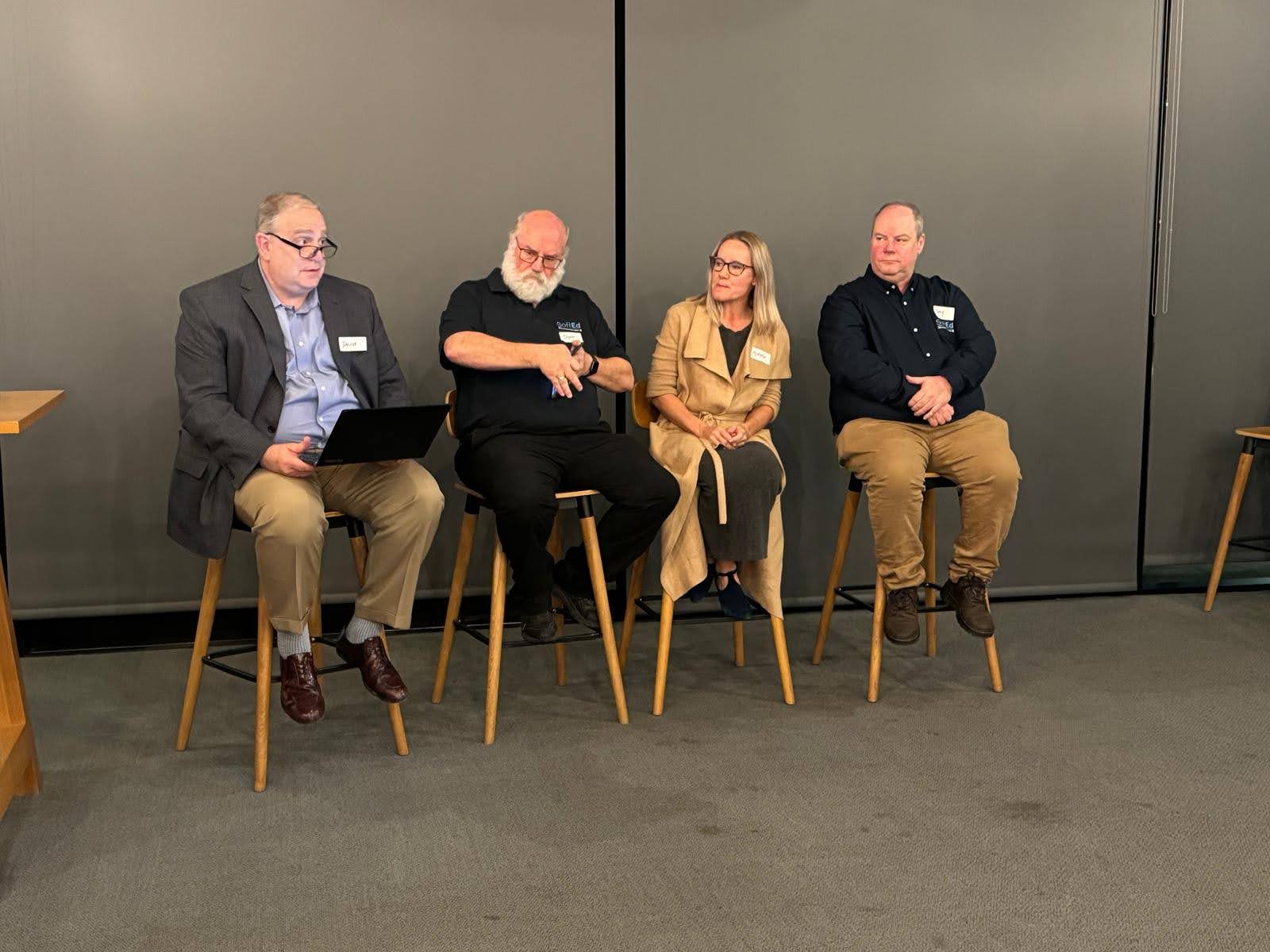
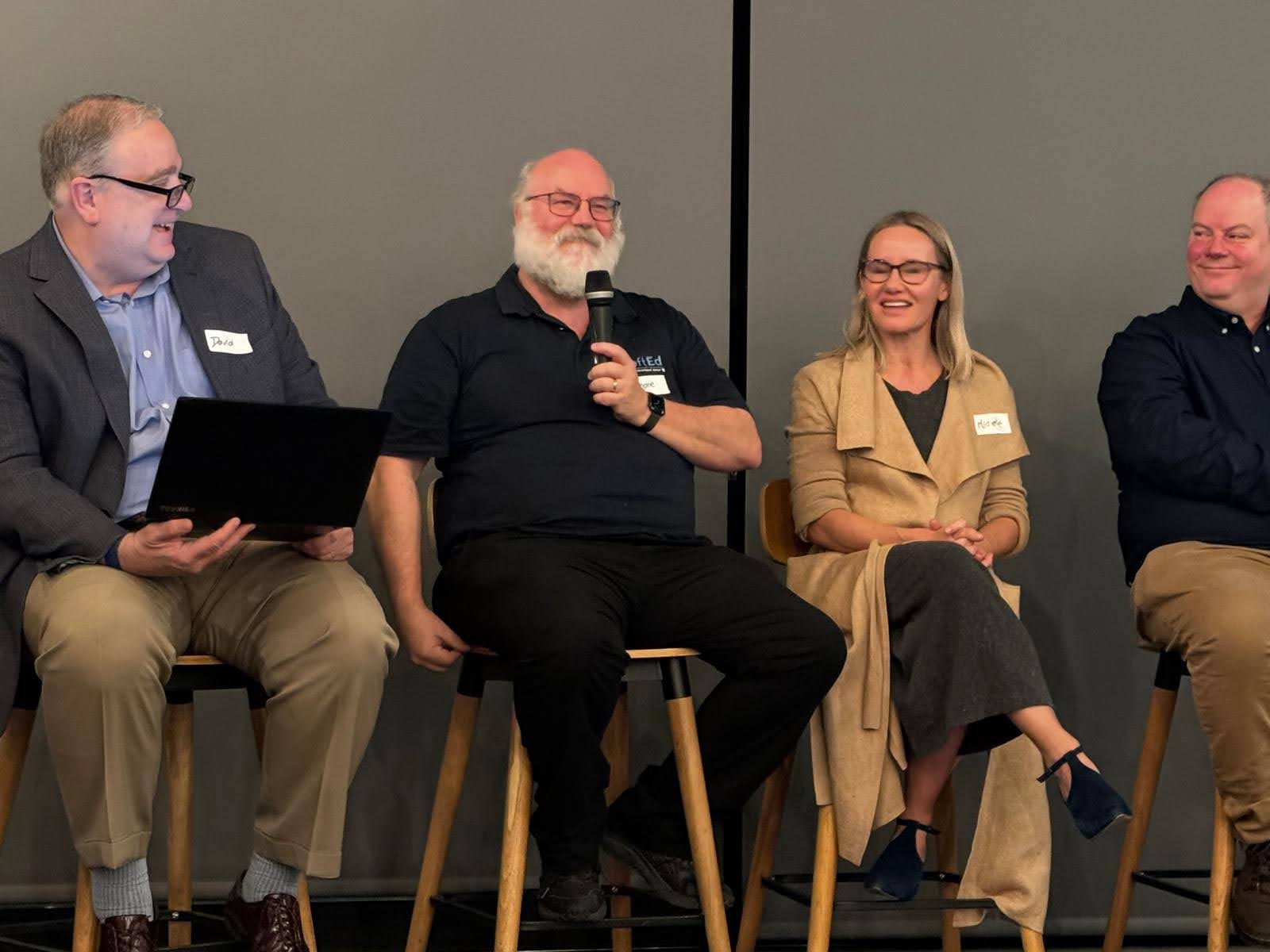
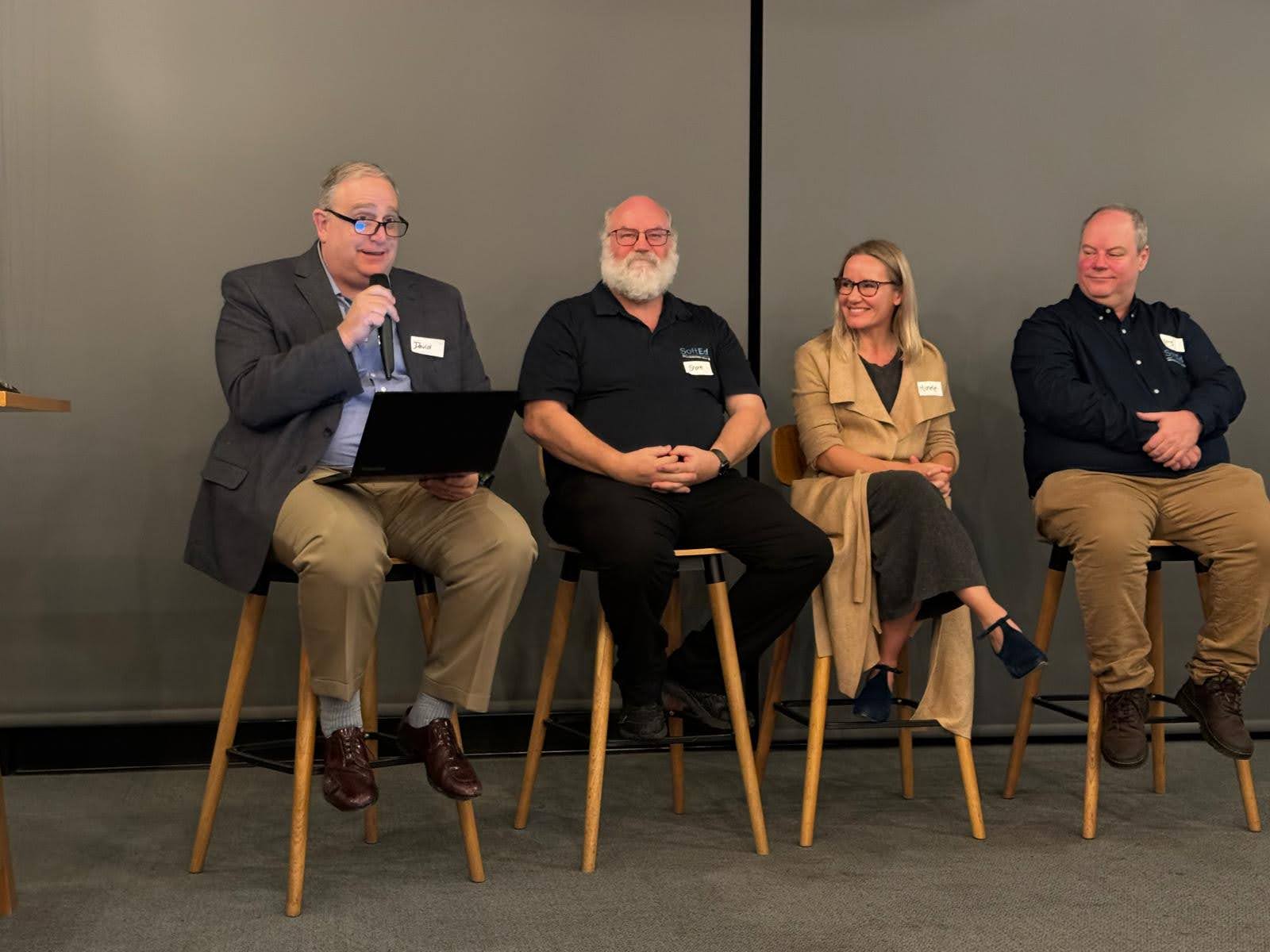
Panelist are: Michelle Ruddenklau : Principal Consultant for Skills Development Group, and Product Lead for SkillsDX Craig Smith : Head of Organisational Performance for Skills Development Group Shane Hastie : Global Delivery Lead for Skills Development Group Moderator: David Mantica, VP and General Manager of SoftEd USA
It is amazing opportunity to hear from experts with internationally recognized expertise and experience!!!!
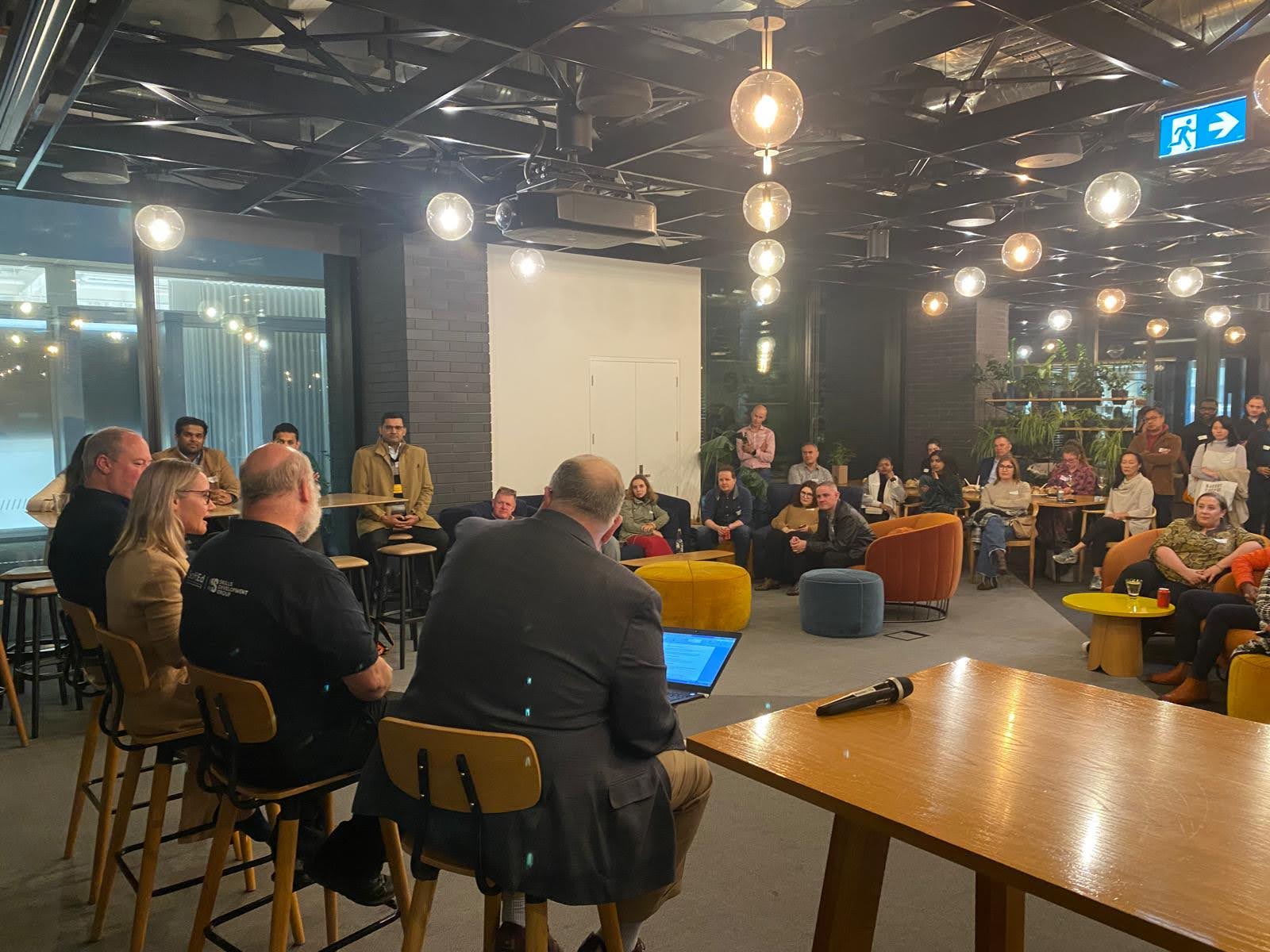
Some of the topics we discussed during the evening were:
What makes someone Human Centred?
What does a human centred Business Analyst do that is different to typical BA work?
What skills are needed for the future of work?
What are the top 2 to 3 power skills a BA must have?
How is Generative AI changing work in general and BA work?
What should a BA focus on, from a skills perspective, to be as valuable as possible?
My presentation from the itSMF NT Q1 Meeting in Darwin, Northern Territory called “40 Agile Methods in 40 Minutes” is available on Slideshare.
With 73% of the world using Scrum as their predominant Agile method, which has a direct impact on service management, this session will open up your eyes to the many other Agile and edgy Agile methods and movements in the world today. For many, Agile is a toolbox of potential methods, practices and techniques, and like any good toolbox it is often more about using the right tool for the problem that will result in meaningful results. You may also be surprised about how many methods have a direct relation or reliance on service management as well as the wider organisational structure and culture. So let’s take a rapid journey into the world of methods like Mikado, Nonban, Vanguard and movements like Holocracy, Drive and Stoos where we will uncover 40 methods and movements in 40 minutes to help strengthen your understanding and toolbox.
It was an honour to be invited to Darwin to present this talk to the Darwin tech community who are a small but extremely passionate community. Here are some photos:

















 My presentation from the itSMF NT Q1 Meeting in Darwin, Northern Territory called “40 Agile Methods in 40 Minutes” is available on Slideshare.


 Craig Smith
You must be logged in to post a comment.