Episode 165: Two Years and Two Out Of Three Ain’t Bad

The Agile Revolution's avatarThe Agile Revolution Podcast

Craig and Tony sit down for a personal chat with the microphone turned on for the first time in 2 years (that is not an interview) (wow, time files…), unfortunately without Renee who was out sick:

View original post 107 more words
Enabling Enterprise Business Agility

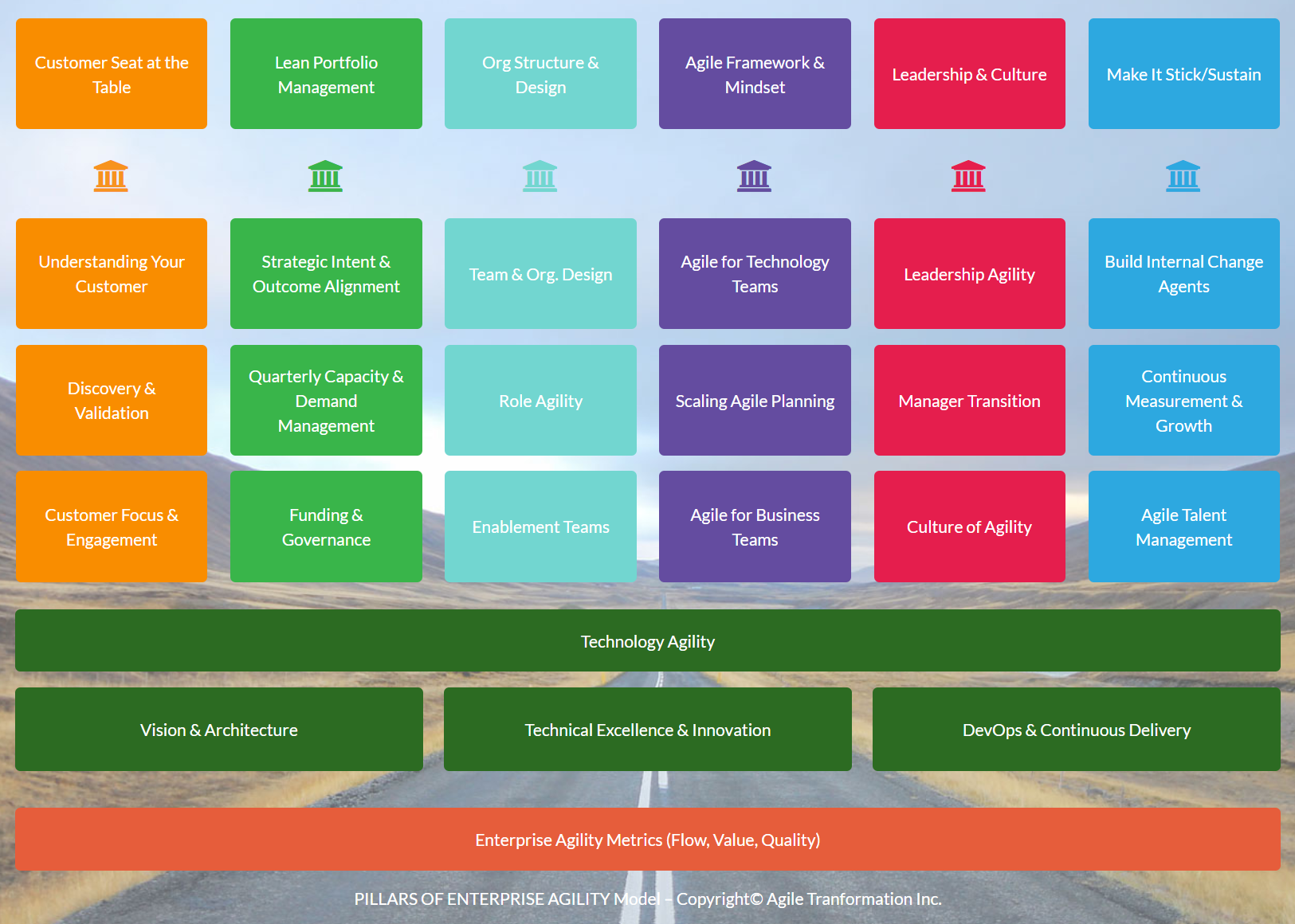
Caught up on a great webinar from Sally Elatta from Agility Health today, that is a good overview of the problems were all face with agility in the enterprise.

EBAWebinar.PNG

In the webinar she stepped through the Enterprise Business Agility (EBA) Transformation Journey. I liked her naming of team of teams of agility and its step between team and organisational agility.  She also called out the difference between organisational agility being the value stream and management of the portfolio versus the operational agility which is the other key areas of the organisation.

This all built to the really well defined EBA model with its seven pillars.

Episode 164: Agile Australia 2017 Vox Pop #2

The Agile Revolution's avatarThe Agile Revolution Podcast

Craig and Tony are once again roaming the halls at Agile Australia in Sydney and finding random folks to talk to at the conference:

View original post 33 more words

Episode 163: Agile Australia 2017 Vox Pop #1

The Agile Revolution's avatarThe Agile Revolution Podcast

Tony and Craig are at Agile Australia 2017 in Sydney and wander the very busy hallways catching up with attendees and with old friends:

View original post 80 more words

Episode 162: Leadership and Coaching Beyond the Team with Esther Derby

The Agile Revolution's avatarThe Agile Revolution Podcast

Craig and Tony are at Agile Australia in Sydney and catch up with Esther Derby, co-author of numerous agile books including Agile Retrospectives and Behind Closed Doors. We also ask the question whether Tony is cool or not….

  • Agile Australia keynote “Leaders At All Levels
  • Leadership is the ability to adapt the environment so that everyone is empowered to contribute creatively to solving the problem
  • Need to develop the people we are leading as well as the environment
  • Need a bigger overlap of the knowledge in organisations so that we can make better decisions
  • Systemic failure that we assume because you are good at something (like software development) you will be good at management / leadership – they are very different skills
  • Three C’s – clarity (people know what to work on and how it fits into the big picture), conditions (the means to do the…

View original post 151 more words